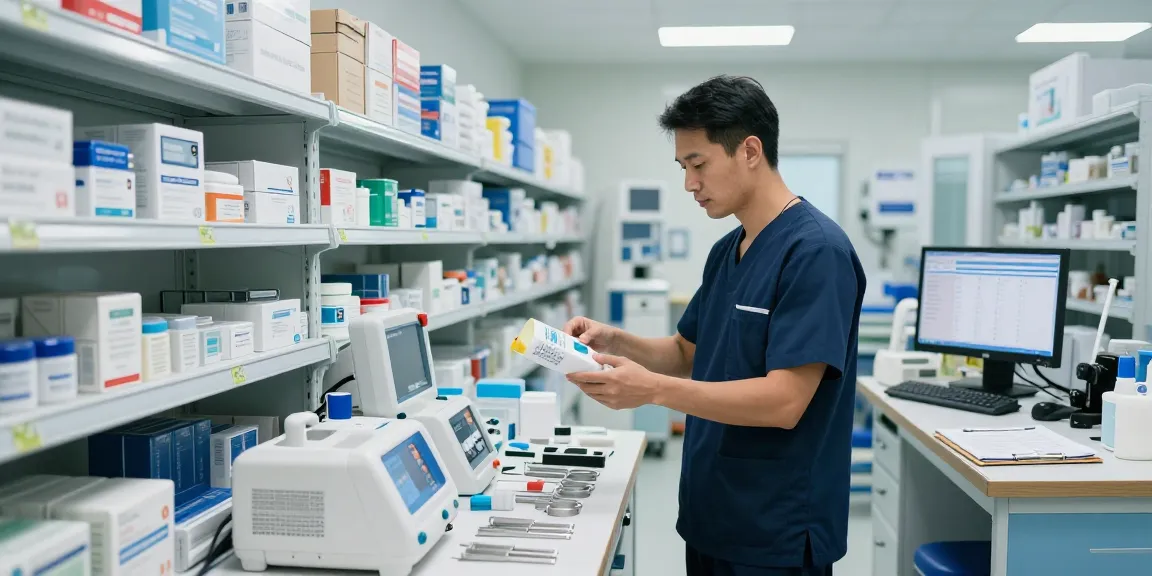
Understanding the Role of Medical Equipment Suppliers
In the ever-evolving healthcare landscape, the role of medical equipment suppliers has become increasingly pivotal. Their contributions are vital not only for the provision of essential tools but also in supporting the overall efficiency and effectiveness of healthcare delivery. As we discuss the intricate relationship between healthcare providers and suppliers, we will uncover the multifaceted dimensions of this partnership, its significance, and the challenges it faces.
What Are Medical Equipment Suppliers?
Medical equipment suppliers are organizations that provide a variety of healthcare-related products. These can range from diagnostic devices and surgical instruments to mobility aids and patient monitoring systems. They serve hospitals, clinics, and individuals, ensuring that healthcare providers have access to the necessary equipment to deliver exceptional patient care. Suppliers often have specialized distribution networks that allow them to provide timely and efficient service, making them indispensable in the healthcare supply chain.
Importance of Reliable Suppliers in Healthcare
The reliability of medical equipment suppliers directly impacts patient outcomes and operational efficiency. Suppliers that deliver high-quality products on time help healthcare facilities maintain their service quality, reduce downtime due to equipment failures, and lower the overall costs associated with procurement. Furthermore, reliable suppliers contribute to regulatory compliance by ensuring that all products meet safety and effectiveness standards. In an industry where seconds can save lives, having dependable suppliers is not just beneficial but essential.
Common Challenges in Supplier Relationships
While the relationship between healthcare providers and medical equipment suppliers is crucial, it is not without its challenges. Common issues include communication gaps, discrepancies in product quality, and inconsistent delivery schedules. Often, healthcare providers may find themselves facing supply disruptions due to global events, such as pandemics or natural disasters, which can impact the availability of critical supplies. Additionally, managing multiple suppliers can complicate logistics and increase the potential for errors. Addressing these challenges requires strategic planning and ongoing collaboration.
Evaluating Your Current Medical Equipment Suppliers
It’s vital for healthcare organizations to regularly evaluate their suppliers to ensure they meet current operational needs and standards. This evaluation process is not just about assessing the existing relationships; it’s also about identifying opportunities for improvement. By using a systematic approach, healthcare providers can make informed decisions that enhance their supply chain management.
Key Metrics for Supplier Performance Assessment
To effectively evaluate suppliers, healthcare organizations should track key performance indicators (KPIs) such as delivery accuracy, quality of products, and responsiveness to issues. Other important metrics include pricing competitiveness, the ease of communication, and their ability to meet compliance regulations. By constructing a comprehensive scoring system based on these metrics, healthcare facilities can assess supplier performance holistically.
How to Analyze Supplier Reliability and Quality
Analyzing supplier reliability involves examining historical performance data and conducting periodic reviews. Managers should also engage with frontline staff who use the equipment regularly, as their insights can reveal potential issues that may not be evident in performance reports. Moreover, organizations can leverage third-party reviews and certifications to validate the quality claims made by suppliers.
Identifying Potential Gaps in Your Supply Chain
Healthcare organizations must look for gaps in their supply chains that could lead to inefficiencies or risks. This can include inadequate inventory levels, reliance on a single supplier for critical items, or outdated technology in procurement processes. Conducting a SWOT analysis (Strengths, Weaknesses, Opportunities, Threats) can be an effective strategy to highlight these areas and develop actionable plans to address them.
Best Practices for Selecting Medical Equipment Suppliers
Choosing the right medical equipment supplier can significantly impact a healthcare organization’s ability to provide quality care. By employing best practices in supplier selection, healthcare facilities can enhance their operational capabilities and improve patient outcomes.
Criteria for Choosing the Right Suppliers
When selecting medical equipment suppliers, organizations should consider factors like product quality, range of services offered, responsiveness, and technological capabilities. It’s also beneficial to review their financial stability, as this can indicate their reliability and longevity. Ensuring that the supplier has a strong history of compliance with industry regulations is also critical.
Negotiation Tactics for Better Supplier Deals
Negotiation is a crucial aspect of establishing successful partnerships with suppliers. Healthcare organizations should approach negotiations with a clear understanding of their needs and leverage competitive bids from multiple suppliers. Building long-term relationships based on trust and mutual benefit can also lead to better pricing and favorable contract terms over time.
Building Long-Term Relationships with Suppliers
Long-term relationships with suppliers are essential for ensuring consistent quality and service. Regular communication, performance reviews, and feedback mechanisms can help strengthen these relationships. Additionally, involving suppliers early in the product development or procurement process encourages collaboration and innovation.
Innovative Trends Impacting Medical Equipment Supply Chains in 2026
The medical equipment supply landscape is constantly evolving, influenced by technological advancements and changing market demands. Understanding these trends is vital for healthcare organizations aiming to stay competitive and responsive to patient needs.
Emerging Technologies in Medical Equipment Supply
Innovations such as artificial intelligence, blockchain, and IoT (Internet of Things) are reshaping supply chains. AI can predict equipment needs based on patient flow, while blockchain ensures transparency and traceability of medical devices. IoT devices enable real-time monitoring of equipment status, helping to prevent malfunctions before they occur.
Impact of Telehealth on Medical Equipment Demand
The rise of telehealth services has significantly influenced the demand for medical equipment, particularly homecare devices. As more patients receive care remotely, suppliers must adapt to provide equipment that supports at-home patient monitoring and treatment. This shift necessitates investment in new technologies and training for healthcare providers.
Regulatory Changes and Their Effects on Suppliers
Regulatory changes continue to shape the operational landscape for medical equipment suppliers. New compliance requirements related to data privacy, device safety, and environmental sustainability are emerging. Suppliers must stay informed and agile to adapt to these changes to avoid penalties and maintain market relevance.
Future-Proofing Your Medical Equipment Supply Strategy
To remain competitive in the ever-evolving healthcare market, organizations must continuously refine their supply strategies. Future-proofing these strategies involves proactive planning and adaptability to changing circumstances.
Actionable Steps for Adapting to New Market Trends
Healthcare organizations should regularly conduct market research to identify emerging trends that could impact equipment needs. Investing in training for purchasing and management teams on the latest technologies will help ensure that they remain knowledgeable and effective in their roles. Additionally, exploring partnerships with innovative suppliers can bring new solutions to the table.
Measuring the Success of Your Updated Strategy
Measuring the success of supply strategies requires clear metrics aligned with organizational goals. This can include tracking cost savings, reduced downtime in equipment usage, and overall satisfaction among healthcare providers and patients. Regularly collecting feedback and making necessary adjustments is essential for continuous improvement.
Frequently Asked Questions About Medical Equipment Suppliers
Understanding the complexities of medical equipment supply chains can be daunting. Below, we address some common queries:
- What should I consider when selecting a medical equipment supplier? Look for quality, reliability, communication, and compliance history.
- How can I evaluate supplier performance? Use KPIs such as delivery accuracy, product quality, and responsiveness to assess their performance effectively.
- What are the benefits of long-term supplier relationships? Long-term relationships enhance trust and reliability, potentially leading to better prices and service over time.